Ryan Vanshur isn't a traditional sales enablement leader. He's a former co-founder who spent a decade building vertical SaaS from scratch—learning sales, customer success, and RevOps the hard way—and now applies that full-funnel operator mindset to what might be the most AI-forward go-to-market function in B2B SaaS.
In this episode, Ryan joins Alex to talk vertical SaaS go-to-market, 90-day ramp programs built around industry immersion, and how he's turning tribal knowledge into a scalable competitive advantage at Handle.
They also discuss:
Enjoy the episode!


Alex Kracov: And then Ryan, like when we talked, I don't know when was it last fall or some shit. I don't know. You struck me as there was a lot of fun AI stuff you're up to. So I would love to talk about that on this call and like vertical SaaS and you're passionate about. So the more tangible examples, random little tidbits you can get into the better. That's not good. Cool. All right. You ready? Hop right in. Cool. All right. I'd love to start today's conversation with CourseKey. So you spend about a decade as a co-founder wearing multiple hats, sales, customer success, and then eventually enablement and ops. Can you kind of give the quick version, like what was CourseKey? What was the problem you were solving? And then how did that journey kind of lead you to the enablement function?
Ryan Vanshur: Yeah, so Korski was cool as kind of your student-led startup story was co-founded in 2014 when I was at San Diego State University and they had a program that's pretty cool today. It's a lot bigger than it was back then called the Zip Launch Pad. I think it's the Zip or Zon innovation platform or something like that now, but it was essentially like a shark tank for student entrepreneurs so if you had an idea you can go pitch and then it was like, you know, a six-month type of student program and I thought, you know, cool, I'll put something like that on my resume and then we'll get a real job or whatever and you know, 10 years later we ended up selling to private equity.
In the early days it was really just like mobile engagement for 500 to 1,000 student lecture halls at big universities. Started out as the head of sales and marketing and took it from pre-revenue to about a million in our first revenue. Back then we weren't necessarily a SaaS company like or enterprise or B2B. I didn't really know any of that stuff. All I knew how to do was knock doors. So I traveled around the country. Luckily instructors posted with their office hours and I could pretty much create a knock list and knew exactly where they were going to be at what time. So went around large universities, banged on their office hour doors, pitched them the product and tried to get them to put it into their syllabus so students would pay for it. Not ARR revenue by any means, very unpredictable, right? There's two buying seasons a year with like massive spikes in revenue and then dead periods.
And so we ended up realizing like we weren't going to compete against the big box publishers and all the established like EdTech giants, you know, not knowing how predictable that revenue model was going to be, getting blocked by like campus bookstores and IT departments that were kicking us out because they had contracts with iClicker and other companies. So eventually we ended up pivoting to what would be called like a blue ocean, right? And that was the career and vocational training segments. So that's your allied health trades, beauty, wellness, you know, welding, HVAC, dental assisting, cosmetology, all that kind of stuff where the blue collar workers — essentially who they considered essential workers during the big COVID era. And so this entire education system, technology had left it behind. There was nobody really innovating in the space.
And so we ended up solving the problem of developing workforce education SaaS. So paper-based compliance tracking, having to be showing reports and documents to regulators — they could literally get shut down for non-compliance. And so that was the position that we put the business in, went out and built specifically for that vertical, and then ended up going from sales to CS as the CS leader once we realized keeping customers can be just as hard as getting them sometimes without a real CS motion. So I had to go build the first Zendesk ticket system, put in the support programs, build out the implementation, onboarding training, renewal, cross-sell expansion, pretty much everything just to tighten up retention and all that stuff.
And because I had been in those different parts of the business and had built them from the ground up, the next logical path for me was the go-to-market enablement and RevOps VP. You know, keeping the systems tied together, doing a lot more of the cross-department collaboration, and so this kind of landed me into my philosophy today around vertical SaaS. You know, it lives or dies on your industry credibility. We couldn't do a generic playbook from a four-year university in a career-based education school. And so that kind of got me passionate about the topic and I realized out of all that, the thing that I loved to do the most was the enablement training, right? Or the enablement side and like seeing other people feed their families as a result of the work that I was doing to put them in a position to do that.
So enablement to me wasn't necessarily training. I realized that systems — you can run all the training that you want, but if you don't actually have like reinforcement systems and content that people use, it's just, you know, a lot of people are doing SKOs right now. And if you don't got a way to reinforce afterwards, it's just really expensive theater. So that was really how we got into the business and what we ended up doing over the course of the 10 years.
Alex Kracov: Yeah, I'm kind of similar. I kind of started my career in sales, cold calling, and realized actually I enjoy supporting sales teams more than actually being a sales person myself. I got a lot more joy with the systems and building kind of the environment for someone to be a good seller as opposed to the actual conversation itself between me and the customer. I'd love to talk more about vertical SaaS because I think that's obviously what you're in right now at Handel. But going back to Korski, when you were talking about the different trades, it meant each trade you had to get really specific on? If you're selling into the beauticians or whoever, it was really different selling to them versus an electrician or whoever it was. Can you talk a little bit about how you developed your philosophy at Korski?
Ryan Vanshur: Yeah, I mean, starting in the 500,000 student lecture halls, our typical software environment was a big massive auditorium and classrooms, you know, stuff like that with your white boards and your projectors. So when we landed our first trade school customer — which was doing HVAC, electrical, automotive, plumbing, welding — there was a massive disconnect between what they thought we did. And even though we thought we were clear about the technology, I remember I showed up with one of my co-founders and the guys were like, well, where are you going to install the hardware? And they're looking around and I'm like, what? Hardware, you know, like what do you think we do? And then I'm looking around and I'm not seeing any classrooms. I'm seeing massive automotive bays with tools and projects and students and groups and instructors everywhere.
Like, you know, I just realized like the way that we sold to nursing was not the way that we were going to be able to sell to the trades. And it wasn't the same way that we were going to sell to the cosmetology schools or emergency services and paramedics. We had to literally learn each of those individual verticals to understand the language, the environments, what the requirements were, what was different between them, what was the same. And that was pretty much how we ended up being able to go out. And I think we started in the trades and the allied health, but eventually Cosmo became one of our best verticals. We partnered with almost all the Paul Mitchell franchises and like the big schools that are out there teaching students to go out and do this. So it took us a while, but over the course of 10 years, we started dominoing each vertical one by one.
Alex Kracov: Super interesting. I've never done anything like that. And then does each seller have a specific vertical or would one seller sell to multiple verticals or do you have specialization as an AE?
Ryan Vanshur: I mean, early on I carried a quota the whole time. I was pretty much the one that went and like trailblazed a new vertical, figured out what worked, you know, had the good sales engineering type conversations. And initially we had a really solid first account executive SaaS hire named Jackson — I think he's still with the company that was merged today as like one of the top sellers — and he was able to do it all right. Eventually towards the tail end when we were sort of sizing down a little bit and really getting focused on a few verticals, we ended up hiring one that came from industry, specialized in the Cosmo school, brought in some relationships. And then the other was more focused on the other two segments, which was nursing and trades. And a lot of times you would see those programs at the same campus. So you'd have to be able to play on both sides of that fence while you're there creating buy-in and doing training and doing the on-site sales conversations.
Alex Kracov: And so after you sold CourseKey to private equity, think it was like early 2025, you joined Handle as director of sales and enablement. I can already start to see the parallels. I mean, Handle's obviously vertical SaaS. Can you talk a little bit about like what is Handle? What attracted you to join the company and obviously specialize in enablement there?
Ryan Vanshur: Yeah, I mean that was the big thing. I'd kind of seen how amazing it is when you find a bit of a blue ocean and there's one company innovating and everybody else is just sort of how it's been, right? Like you sell the competition here, but you're really selling to status quo. It's just they're comfortable with the competition even if they're present, but not that they love them, right? It's just they don't know anything else. And so that was very attractive. If I see somebody still running on fax machines or manual spreadsheets or email inboxes or things like that where we know that there's a lot of complexity and risk around it, it's my favorite thing to try to sell around.
Construction is one of the biggest industries in the world. It's a $13 trillion global industry. And Korsky taught me that these can have massive opportunities if you find the forgotten segment. And in this case, the big Pro-Cores of the world and all the massive folks who exist, they're built for contractors and GCs and other folks. And when I found out Handle was focused on material suppliers and equipment dealers — people at the bottom of the totem pole, but the lifeblood of how construction gets done — they are the last when it comes to getting paid on their massive construction projects. And so for me, I'm like, wow, big blue ocean, forgotten vertical down here that we can focus on. Nobody else is really serving it.
And so that's kind of the foundation for why I started to look, and I kind of had to put together my own ideal business profile when I was looking for the next thing. And I knew it was going to be Series A, Series B. I knew it was going to be in an industry with the forgotten vertical. I knew I needed good leadership and like a good opportunity. And so talking with some of the guys over here it's just like a no-brainer for me to hop on. Started as director of sales enablement, which is where I spent like the last year really diving in, getting to know the industry, the business, and overhauling everything. We'll share a little bit about that later. But that's landed me into a recent promotion where I'm transitioning to the VP of go-to-market intelligence and AI solutions — which is hard to find on anybody's roster, but it's a position that I think is going to become more and more prevalent. It might not be the same title, but you'll see variations of it where folks like me are coming up and using tools like AI and Dock and some of these other things to really enhance what we do.
Alex Kracov: Congrats. That's awesome. When I first met you, I was like, this guy's an AI mad scientist. I was like, that promotion makes a lot of sense. Yeah, sure. I'd love to talk a little bit about, actually on this call, we can get into a little bit — when you join a vertical SaaS company, what's your first priority? What do you start doing at Handle? Is it just educating yourself on the industry? And then maybe are you just focused on teaching the AEs how to sell to a materials person? And like, I know nothing about the world that you're playing in. How do you sort of think about enabling the go-to-market team? And what's the first thing that you do to kind of start that journey?
Ryan Vanshur: Yeah, well I think that the difference that I like is that at larger companies, I would basically inherit systems, right? And so I wasn't necessarily interested in just coming in and like plugging in as like a cog in the wheel. And for me, I think the biggest thing was like, I didn't know anything. I didn't know what a lien right was, right? And so this is like a thing that's a super important concept in our industry, and not coming from the industry, having no idea — my first thing was immerse yourself. Go talk to all of these exceptional people in the organization that serve these different functions and extract the tribal knowledge from their head.
That was something — when Korski was around a long time ago, we had to go remote during COVID, the amount of tribal knowledge that we had within our co-founders, but when we weren't in the office together, it actually became a blocker. There were so many things that people were waiting on. And so my first thing here was like, let me hunt down the founders. Let me hunt down our sales leader who's been here and selling since day one. Let me talk to our product folks. Let me go listen to customer calls and analyze transcripts.
And so my first task, for me, it was really just how do I actually understand what this industry is about? What problem are we actually solving? What personas are we talking to? What do they care about? And I had to do that before I can go tell people how to sell. Like, who am I coming in and saying, here's how you go sell to equipment suppliers or whatever, not knowing anything about their processes, their pains, or what they go through. So that was step one — really just industry immersion, just making sure that I understood what was going on.
The next thing was really looking more into like my first project I was given from the CFO, which was like, he wanted me to do a recertification. They had just doubled head count, I think a month or two before I started, which is not ideal if you're just the only sales leader there, right? And Eric — who is one of the best sales leaders I've ever worked for, he's exceptional — but at scale, the high touch that he did with the first few AEs that really worked, he didn't have the time, the capacity, or he just didn't have enough time in the day to keep doing that. Training was ad hoc, content existed, but it was all over the place.
Another thing I was trying to hunt down and figure out was: do we have a central source of truth for competitive intel, or battle cards, or deal playbooks? And we had spread out tools, pieces, old versions, new versions, but we didn't really have a good way for me to be able to digest with no onboarding. We had no 30/60/90 plans, so I had to create my own. And so once I got done with the industry immersion, I started thinking: if I was an account exec, how would I certify myself? So I pretty much built out almost like an LMS type tool where we put together a quick certification so that we could get a foundation for where all the reps were, old to new, and realigned them around this common foundation that ended up growing into this Handle Academy thing we use now for internal and external training.
Basically I was trying to figure out: if a new rep to me can't ramp in 90 days, I think we're burning cash. And so what I wanted to do is make sure the reps who had just started were getting ramped up and at a point where in 90 days they could be effective. And then the last part was just the tech stack audit, right? Understanding what tools were there. We kept some, we dropped others, filled a bunch of critical gaps, like how we met with the deal rooms and stuff like that. And then just dig in on data quality, Salesforce hygiene, see if we can actually track outbound activity — is it something that's automated or is it manual from the reps and they're missing it all the time? Quite a few levels to work down, but it starts with industry, then it gets into sales methodology, and then I worry about what the tech stack looks like.
Alex Kracov: Can you talk a little on a deeper level about the curriculum that goes into that training? Is it about the industry? Is it about the sales process itself? Is it about building business cases? Is it about what fields to click into Salesforce? As you think about the first 90 days being so critical, how do you think about the curriculum that sets up a sales rep for success specifically in a vertical SaaS that's unique?
Ryan Vanshur: I think this is where my VP of client success hat kind of kicks in when I think about, if my customer was a new sales rep, BDR or AE, right? And to me, my goal is always 90 days to value. And so whether that's value for the rep and feeling confident they're going to hit their numbers, or value for the company knowing that they've got a ramped, productive individual going out and making money — I kind of treated it the same way that I did for myself. The certifications themselves are about 90 days typically.
Phase one is always industry immersion, regardless of where you come from. BDR, account executive, whatever. You're going to learn mechanics, liens, waiver compliance, contractor payment flows, and finance terms. Not a textbook, right? Like scenario-based. So I'm able to use AI to create these case studies and interactive tools that they can go in and speak to our biggest customers and chat with the personas that were involved and ask them questions that are important to them. And so it's less of a, you know, here's everything you need to read and I hope you get it. It's more like: here's an actual situation where a supplier almost lost two million dollars because a competitor missed a lien deadline. Walk me through what happened here.
And then as they get through those industry immersion exercises, we have a library of business case recommendations from all of the deals that either closed or didn't close. And so you're able to go in and actually learn — what are we talking about? What pains are we finding? What ROI stories do we develop? And what do those look like on an account by account basis?
Phase two is usually product fluency, problem-solution mapping — not feature training. When a customer says they're worried about a double payment risk, here's what they mean. Show me in the product exactly where we solve that, and tell me which ROI calculations are related to that specific feature. So really just getting them to connect problems to the goal, the feature or solution that we offer to help them achieve it, and then what the ROI story is going to be at the end of it.
Phase three is usually when we get into actual sales methodology — how we do discovery, the frameworks we use for demos, navigating buying committees, and we'll throw in tech stack training as well. Because usually I'll try to do a good job of working with the ops folks to make sure the methodologies are mapped in and reinforced in our tech stack so that they can't go too far out of the guardrails. The balance is typically 30% product, 40% industry, 30% sales. That's kind of what the first 90 days looks like.
And then the validation at the end is really capstone-based. I don't care if you finish the content. What I care about is: did you do well on the knowledge checks that I have through each phase? Did you complete the practical exercises to validate that this knowledge transfer is actually happening? We do a full capstone, like a mock sales process. We bring in multiple personas for role play, make you do executive discovery, let you practice multi-threading between disco and demo, and we make you deliver a highly impactful demo. And if you can't do that convincingly, you're not certified. But the goal is after 90 days, when you get on a call, the person on the other end has no idea that three months ago you never heard of the word lien rights. And we're seeing that happen with our new BDR team now.
Alex Kracov: That's awesome. I remember at Lattice when we rolled out a new engagement product — my old company — we always had, we did not to the level you were doing around certification, but the end of it was the AEs had to go into a room with like the CEO, the COO, me, the CRO, and then pitch. And it was kind of a scary thing. And then we would all write down like how they did. And you know, if you failed, you had to keep at it until you passed. But like, it was pretty effective at figuring out, okay, why do we have to sell this new product? So I'm a big fan of that capstone thing. But I love the program you've built with the milestone checkpoints along the way. And I think the way you're using AI in there is pretty interesting.
Ryan Vanshur: Yeah, I mean, luckily I come from an EdTech background and I was serving schools that didn't do degrees — they were doing certificates. And you know, it's not the same severity as like when you're going to nursing or you're studying to be an electrician, like you have to actually know what you're doing when you graduate. Otherwise you could kill someone. And I'm not saying it's that serious here, but I treat it the same way where it's like, you could kill an opportunity before it ever becomes a thing if we let you go out there unprepared. And so we spend a lot of time up front making sure that we're meeting every single day. You're plugged in, you're doing your one-on-ones. And so by the time that 90 days comes, it's like holding dogs on a leash and they're just itching to get off. They're not, oh my god, is he going to open the gate and do I have to get on this bull and see what happens? And so it's really about building confidence, building expertise, and making sure people who don't come from industry understand how to navigate it. Because you'll get sussed out quick if you don't know what you're talking about.
Alex Kracov: And what happens after the capstone? People go through all this intense training and then a couple months go by. How do you think about post-training reinforcement? How do you make sure that people have retained all this information, that they're still following the best practices after they've been released out into the wild and are talking to all their customers? How do you think about the post-training part of it?
Ryan Vanshur: I think the big thing is having a reinforcement plan. Like I said earlier, training events are really good theater if you don't actually have a plan for how you're going to follow up and make sure these concepts are sticking. And I think it's SKO season. This is a perfect example where you're coming out, you're investing a lot of time, you're pulling reps out of the field sometimes, and you're trying to drive certain behaviors post-SKO.
So my incentives for me are usually my go-to. Sales contests have been magic in some cases. When we were launching outbound last year, for example, Ferrari AEs — they were not used to picking up the phones and so we had to have some contests specifically around those metrics. When we focused in the second half of the year on really going and getting these really large whale accounts, we had to put some contests around the behaviors that lead to those quality engagements and incentivize a bit more if you book a meeting with a whale versus if you book a meeting with a standard.
Demo frameworks, right? We had contests with a scoring framework where for three months straight we had a demo competition and whoever had the highest score at the end of the three months — there was a first, second, third — we would divvy out some cash for whoever ran the most effective demos. But you have to have a plan. You can't just be like, that looked good, or I'm tired so I'll skim through this one and say it was good. We were using AI to make sure we had a high quality, no bias, no judgment, no tiredness, completely neutral analysis. And everybody agreed: this is the blocking and tackling of doing a good demo. Here's how we're going to score it. AI has the instructions. We're going to let it look at your interactions. And then when we get those scores, you can see over time where you're at.
So just reinforcing those, ensuring all reps, managers, leadership are all aligned on what good actually looks like, and making sure we're using our weekly meetings, adding it to those agendas, keeping a pulse on collective strengths and gaps. We always reserve some meeting segments for adoption or review of certain frameworks or things that we're really trying to tackle for the quarter. And in a remote environment, I think one thing that's significantly underutilized is just celebrating the small wins. I'm notorious in Slack for call-outs and shout-outs — and it might not be a meeting booked or a deal closed, but if I see something where you're modeling behavior that we're trying to get reinforced, I make sure to post it in Slack and call it out and give people their kudos for it.
Data hygiene is like the bane of most RevOps existence. And we had a data hygiene challenge where critical MEDDIC discovery intel wasn't making it to Salesforce. So we partnered with Scratchpad, who's been a great partner for us. And every Monday, we pull up our hygiene report. And we know as a team, 85% hygiene across all deals is the standard. You see your name, you see your scoreboard, you see exactly what's outdated or missing. And so now we're sitting confidently above that 85% threshold. When we started, I think the initial metric was in like the 50–55% range. So a 30 percentage point increase in data hygiene is critical for reporting and some of the other stuff that we want to do downstream. The formula I guess is: visibility plus accountability is going to drive long-term adoption.
Alex Kracov: Let's talk about AI. You mentioned a few different ways you're using it as part of the learning journey, but maybe we can go back to the beginning. I know AI as an industry has been moving very, very fast, but was there one particular workflow or thing you had set up with AI in the early days — and you can define that however you want, whether it was last year or whatever — where you were like, okay, this is something, I've got to really start investing in this technology and figuring out how Handle can use it. Is there anything that sticks out from your memory?
Ryan Vanshur: Well, I mean, for me, realizing I had to catch up on years of sales universe intelligence to be able to effectively run a certification — my initial use cases were pretty hard. They weren't sophisticated. I was literally just using ChatGPT. They let me pay for the enterprise version so I had SOC 2 compliance and I could put some stuff in there without worrying about sharing bad data. And I would just build projects. One project was our pipeline, and I would have one thread for every single customer and I would just keep putting transcripts in there and asking it questions.
And then eventually all the reps started realizing, Ryan can get us really good intelligence because he's doing this AI thing. So then it became a bottleneck, right? And there is this point where I realized like, okay, I can keep doing these MVP ad hoc semi-manual solutions, duct taping together a few different ideas on how to use it. But I started realizing like there's so much intelligence if I can just find a way to gather it. I can give reps the tools and the training artifacts and the interactive resources, but I knew they wouldn't use those in their day to day as account executives.
And so it clicked for me that there's all this tribal intelligence. We have everything we actually do need to be successful. It's just not in one place. It's not in a digestible format and it's not in a learner-friendly way. And coming from an EdTech background and looking at these schools and helping them with these strategies, there was this clear connection that if we can leverage AI intelligence and create an ideal learner experience — multiple modalities, not just a bunch of text, not just a couple videos, not just a few documents, but things that actually looked and felt like curriculum and actual information that they can take, use, and repeat — that was really where I started looking at the intersection of tribal knowledge and AI.
Then all of a sudden MCP servers come out and context layers start getting talked about, and I got a certification from MIT Professional Education on agentic AI and organizational transformation. And that was really where things started to crystallize for me. I saw like, there's a massive opportunity, not just in the sales enablement part, but I was starting to get pulled into client success questions and, hey, this person's not looking good, can we go back to the beginning of time and figure out how we got here? And so it just became clear — all the gaps that you typically have that you can't solve by buying SaaS — they just became these micro problems that I realized I had this genius assistant tool to try to figure out ways to solve. Getting into Claude Code and some of the other things, I've got like 16 total apps that I've developed in the last nine months. Some of them automated, some of them not, but all geared towards end user training and interaction with the go-to-market team.
It was just realizing that the tribal knowledge that exists in any company — and finding a way to make that available for everyone so that I'm not the bottleneck for most folks trying to make good decisions. I remember when I first came on, our CEO on the very first all hands meeting said, if you're not using AI 30 times a day, you're probably not using it enough. And I don't know why I took that as like a direct order. And I realized the efficiency I got. Then I started teaching it to my reps and now, coming out of SKO, everybody's using our AI tools and platforms. And even the non-tech-savvy reps are like, I don't know why I would do anything different.
Alex Kracov: Can you paint a picture of what it looks like to be an AE today at Handle who is using all these different AI systems? Do you set up SalesGPT in ChatGPT and they go talk to it? What are the top workflows that you've set up? You talked about how you had this realization there's so much information trapped in the transcripts and it was in your little instance. But then how did you think about distributing that out? And I'd be curious, maybe through the AE lens — what does my day look like? How do I interact with AI through the systems that you've set up?
Ryan Vanshur: Yeah, so we ended up partnering with a company called Endgame.io and they've got a really amazing team. My biggest problem was I was building all these solutions, but none of them really talked to each other. I was always having to re-provide context and re-upload folders of information. And so when I was going through that certification, I realized we need a super intelligence layer, and it can't be some Google Drive folders. Because there was Slack, there was Zoom, there was our Outreach information, Salesforce, our Dock API and data that's going through there — all these different points of information where I just didn't know how I was going to actually close the gap and build that super intelligence layer.
So I ended up talking with these guys. I think we had a similar connection through some investors. And I realized there are some tools out there where they're already ready to integrate, they're already SOC 2 compliant, they're all ready to add your context data layer. And so once we went through and connected that, everything else started — the efficiency and effectiveness of the work I do just started to skyrocket. That's where the building of the apps came from — being able to hit their MCP server and grab information from all of the sources of data to create an interactive artifact or a customer case study or what we'd call a voice of the customer exercise. That stuff you just couldn't do before.
Like, I couldn't go back and listen to 80 transcripts and look through all the emails and the notes and create a compelling narrative for how this person became a partner, what problems we solved, what they didn't like about the competition, and what was the ROI. And what's happened post-sales since all that's connected as well.
So now if you're an account executive on our team, the BDRs essentially do a lot of the intelligence gathering by using Endgame. We have five prompts to run for every single account. By the end of that prompt, you basically have everything from the stakeholder mapping, pre-qualification scanning to make sure it's a valid account, competitive analysis, ABM strategy — everything that you would need will come out in these five prompts, and then they'll go take those and the AEs will start to plan on how they want to tackle the accounts.
If you're an AE, you wake up in the morning at 9 o'clock on Monday, you go into your email, you have a weekly coaching report. It's a seven-day look back from the previous week on what you were working on and what frameworks we've been trying to drill on — again, reinforcing and having something that looks at their calls and says, hey, this is the four-step framework for making sure that you're priming the pain and getting people excited about the solution you're showing them. You didn't do that in any of them. Or you did step one and step two well, you kind of did step three, you didn't do step four. And so we're teaching these frameworks and saying go back, and every week just coach these reps up.
Then they get the week forward from the same report. It's like, what did I do last week? And then what's on my schedule this week? Who am I talking to? What contacts? What do we know about them? Where did we leave off? Are there any outstanding action items that I need to tackle? Anything that you can learn from research about these people, like trigger events or new acquisitions or mergers or new locations opening up. It does all that. And so what we used to do — or I beg people to do — was spend some time on a Sunday night and plan your week in advance. Well, they get that time back with their families now because they sort of have like a Fitbit for their specific sales process that every Monday morning tells them exactly what they should be doing for that week and whether or not they made an improvement from the week before.
And Friday is very similar. You get like a noon report directly to your email — your weekly recap, all of your activity, AI-suggested context to tell your manager, and then a spot for you to fill in whatever you need before you sign off for the week and send it over.
If you have an opportunity that's open, we have an entire deal risk analysis system that takes like 16 different signals across, you know, why do anything, why do it now, why do it with us, and typical buying signals. And it'll run that analysis every time a new transcript comes in and send a coaching report that tells them exactly where the risk is in their deals and the suggested steps on how to de-risk it. When you don't have to guess why your deal might not make it to the finish line, when you don't have to wonder what should I be doing this week and what information would I need to be the most effective — now all you really have to do is just be a sales professional. Just go out and do the high-value task. You know, 80–85% of your time should be spent on selling, and the other 15% are things that I couldn't automate for you.
That was actually the last data point I was able to get from you guys to really put together like an engagement score on deals based on what they're doing in Dock. And it's like another variable that we now add to our scoring system. Anything's on the table once you've got a good foundation layer, but you have to start there. If you go out and just start building a bunch of random tools and you don't actually solve the context layer issue, you'll do what I did and spend six months duct taping a bunch of Frankenstein solutions together and wondering, is this safe? What did I build? How does it work?
Alex Kracov: Yeah. And do you dump all that data into like a data warehouse, or is Endgame the connector and they have those connectors and it works like that?
Ryan Vanshur: Yeah, so Endgame is basically the data consolidation layer. And then they have the MCP server that I can hit to make sure I can extract — so I don't have to go and create a bunch of Salesforce API keys because Endgame is already connected to Salesforce. I don't have to go connect my Zoom because Endgame is already connected to Zoom. So I usually will build an agent for different apps that always checks Endgame first to make sure data is accurate and updated before it makes updates to dashboards or different tools or things like that.
Alex Kracov: And it sounds like the AEs aren't really prompting themselves. You don't have to teach them how to craft a really good prompt. You're the one who's the master orchestrator creating all these different prompts and workflows, and you serve it up on a little silver platter for the AEs. Is that generally how you think about it?
Ryan Vanshur: I'd say it's like 75%. It's like going bowling when you're a kid and they put bumpers so that you can't go in the gutter. That's basically what I've done, right? I've got custom rules on Endgame where I can make sure it doesn't recommend features that don't exist just because it sees a competitor has one. I can make sure it uses this email framework that we use whenever a rep requests a POV-specific email. We can make sure it doesn't create any ROI stories that it can't actually point to a resource, a transcript, or something that tells us that this is a legitimate data point — and it has to tell you if it's taking a guess so that you can go validate it. Even if it's an intelligent assumption, it's going to let you know.
So having those guardrails and the safety stuff in there, and knowing it's SOC 2 certified, lets me sleep at night versus, hey everybody, go get the $20 GPT licenses and I hope you're not putting sensitive data in there. That's sort of where I focus my time. And then the master prompts are basically set — like a sales handoff prompt that they can run. Those are just there because those are documents that I don't want different variations of quality or response type on. It's like hard-coded markdown language type reports that come out the same way every time, no matter who runs them.
But I do teach reps prompt engineering. I do teach them how to use the actual chat assistant and have conversations with it. And so yeah, they use a lot of our templates, but they also, you know, they don't use ChatGPT anymore. If they do, it's for little side stuff here and there. But if they're talking about a customer or competition or a prospect or anything like that, they're all pretty much using Endgame. It's the generative AI interface that has all the bumpers built into it so that no matter what they do, they'll at least hit a pin.
Alex Kracov: What are you excited about this year when it comes to AI? I mean, you obviously have a really strong foundation that you've built, and this whole industry and the technology is changing really fast. What are some of the projects that you're excited about pursuing that maybe weren't even possible last year, but now with Claude Code getting better and all these different tools really accelerating — is there anything on the roadmap that you're excited about?
Ryan Vanshur: I mean, I can't even tell you how many weird ideas I have. I'll be at the gym and think of four things I can probably build that sound interesting.
I think what I'm excited about this year is not necessarily how much I can build, but realizing how important it is to connect it all, right? Like making sure — for example, I've always wanted a sales management and coaching platform. And there's a couple different massive SaaS companies that have features that do it, but nothing is 100% tailored for what we do, our team, our process methodology, all that kind of stuff. And so one thing I've started working on is, I opened a Lovable account and I'm building out our own dashboard that's connected to Outreach, it's connected to Salesforce, and Endgame is installed on it.
And so now I'm able to build things where it's like, I want to know if the work that we're doing in the first six months is impacting the next six months. And we just ran a report that was really exciting. Our win rates from H1 to H2 last year were up by like nine points. We had, I think, 20 closed logos versus 42 in the second half. Our average deal size went up from like $140K to $240K. Sales cycles dropped down from 12 to 18 months to nine months, even on our largest enterprise deals.
And so now we're seeing that, well, there are these lagging indicators from all the work we did in the process and the training that are suggesting what we're doing is working. When everything's going up and to the right, the reps get really excited about that. You know, you get into the first quarter where some people are taking a deep breath from the last year, and we've got reps who just can't wait to get out and get after it.
And so what I'm excited about is what data are we going to start seeing from the seeds that we planted months ago. How is that going to present itself and where are we going to start seeing the opportunities to continue investing in these specific areas.
I think our business case recommendation generation system is probably one of the things that was the highest-leverage deal activity we can do. We've created a system where you'll never find one business case recommendation the same as another. There's no duplicate in our library at all. Every single one is context-specific, tailored for that account — it pulls their quotes, their information, their situation. And things like that to me, we're closing million-dollar deals in half the time because we're making it easy to enable our champions to go and sell internally. And I think, what else could we do? So my excitement is for the results I'm seeing for the reps, and just trying to figure out what's the next thing I can do to help make sure that these guys are crushing it.
Alex Kracov: It sounds like you've built so much amazing stuff internally. And there's this whole narrative — I don't know how much you're on Twitter/X — of the death of SaaS. But it seems like what you're describing, your company is way more about building custom solutions that are really tailored to your vertical as opposed to buying additional software that maybe is more generic. Do you buy that argument that SaaS is slowly dying and more and more companies are going to be just building their own technology that fits their unique needs? Is that kind of where you see the world heading?
Ryan Vanshur: Honestly, I think a lot of those posts are just the trend that LinkedIn's rewarding, and so everybody has to have a "this is dying" post every now and then.
I think if you're a horizontal SaaS company that doesn't have a really good success program and great retention and already has a foothold, it's going to be a bit more challenging to do business over the next five to ten years. But it doesn't mean that all SaaS is going to die. What it does mean is that it's more of the birth of micro SaaS — that's kind of the way that I look at it. And it's not SaaS that comes from companies that are chasing ARR numbers to raise funds. It's micro SaaS coming internally from organizations that are developing point solutions to close gaps that horizontal SaaS just can't do.
Like if you can use Salesforce for a school or a manufacturing facility or medical supplies or equipment sales or retail wholesale — if you can use it for anything — you need a bit of workarounds and you've got to stretch it to make it fit, or you have to bend your business to make it work. What I'm seeing is there's going to be foundational tech stack pieces that you're going to need, but the gaps are not going to be things that people should be going out and looking to fill with another tech stack solution. In some cases, I keep seeing this thing around like SaaS companies eventually are just going to be API companies. That's all you're really going to need from them. That trend seems to be showing up more often in my journey where I'm more interested in APIs and MCP servers than I am in what functionality do you offer across the board.
I'm sure RevOps folks have that pain of paying for a lot of technology and poor adoption — shelf wear, unused features. All that stuff is relevant. If there's a specific solution that you want to solve — like we had a bunch of RFPs come in last quarter over the last six months. We didn't really see a lot of them. Realized real quickly that these take a lot of resources. They're hard to win. They're worth it because they're big, but we've got to pull in the CTO, we've got to talk to our finance head, we've got to go over here and talk to the security guys, and then we've got to get the product marketing people to help us. It was just insane.
And so I was like, well, what if I can go back and look at all the RFPs we've ever done, analyze all the documents, all of them, and then create us a database with an RFP helper — like an AI assistant that knows every RFP question we've ever had, what the appropriate answer has been, and who you would talk to as a knowledge expert if you needed additional information. And you can type in the AI chat and say, hey, what's our security compliance policy? And it'll give you the right answer back. So now if we get an RFP, all the questions are there. We have a whole library of questions that we've seen before and they're all approved.
Same thing with our ROI calculators. I remember a few years ago at a company, they were looking at buying an ROI calculator because they had a little sheet that everybody had but nobody used. And I built us an ROI calculator. I built us a pricing and packaging calculator. I built us a competitive analysis and strategy builder where you can talk to it — it tells you what deals we recently won, what was in our pipeline, why they came over, what was that winning zone differentiation, what personas were really fed up. And you can go talk to it and tell it who you're up against — give me some social proof, give me our most recent case studies — and it knows it all. My reps play with the tools. They engage with the tools. They don't just look at the tools. And I think that's the big difference.
There's going to be a lot less opportunity for horizontal SaaS, but it doesn't mean that they're going to die.
Alex Kracov: And do you think every company now needs their own Ryan? Like I think of you as this almost lone wolf — a collaborative lone wolf — who knows all the different tools, sets it all up, distributes it across the company. You're, I forgot your new title, but chief AI officer — I'll call you that. Like you're in charge of AI at the company. Is that the right structure that most companies should think about in the future — have one person who's going to go set up AI for all of go-to-market? Or does it need to be more decentralized where marketing should do AI stuff and enablement and so on and so forth? What would you recommend for companies who want to invest in the things that you're talking about?
Ryan Vanshur: I mean, you have to find the right person, right? I think one of the things that our founders love about me is I'm a founder myself, right? Like I came from a startup that I grew over 10 years. I was zero to one on every go-to-market motion that we had to develop and scale up. And you almost — if you can find somebody that's a bit of an entrepreneur to come into your organization, that is not going to wait for somebody to build a list or give them a list of problems to solve but go out and hunt them down and listen for them, and come back with the problem and four potential ways that we can solve it — you need people like that. But if you have somebody like that who's also really good with AI, you're talking about a whole different level. I think some of my reps think I am AI. They're like, how do you do so much?
As long as you do good discovery and as long as you run the sales process well, I know how to tap into that and serve you as best I can. And I know how to make sure client success benefits. I know how to create the feedback loop for product. So going out and having everybody trailblaze their own AI path isn't recommended. Data governance, making sure your Salesforce architecture is sound — that stuff does not interest me. So I look at it as like, you need the people that do the systems of record, but more companies are going to start to need the people that do the systems of intelligence, right? The AI automation, the dashboards, the coaching tools, enablement content.
So it's really like my counterpart, Koi — he makes the data in those systems of record bulletproof and consistent. I make the data in those systems actionable. That's the difference there. And when you're talking about go-to-market, you want clean feedback loops from marketing, through sales, through product, and even through the engineering side. And so that's what I think folks — if you're in this role and you're kind of stuck in the sales program and all you can influence is sales, fine. But also think about how these systems will connect across the entire customer journey. That's the benefit I have of wearing all those hats from marketing, sales, CS, RevOps, go-to-market.
I see everything at the 10,000-foot view. I see it as an integrated system. I don't see it as siloed departments. I tell people, client success is a philosophy of the company. It's not a department. And every single department should have some sort of key results or objectives around making customers wildly successful. For the sales team, that just means being better at your sales process, capturing better information, making sure you hand off good intelligence so that they can do their job on the other side.
But that's just something where it's new, right? It's kind of like what go-to-market and this kind of stuff was like five, six years ago when those titles started popping up. But I think it's just a natural evolution of the technology that companies have now — if they're willing to find somebody who will go out and invest in it.
Alex Kracov: I'm fired up after talking to you. I think there's so many good nuggets in this conversation of just different ideas on how more companies should be using AI across their go-to-market. Thank you so much for the time today, Ryan. I really appreciate it.
Ryan Vanshur: Absolutely.


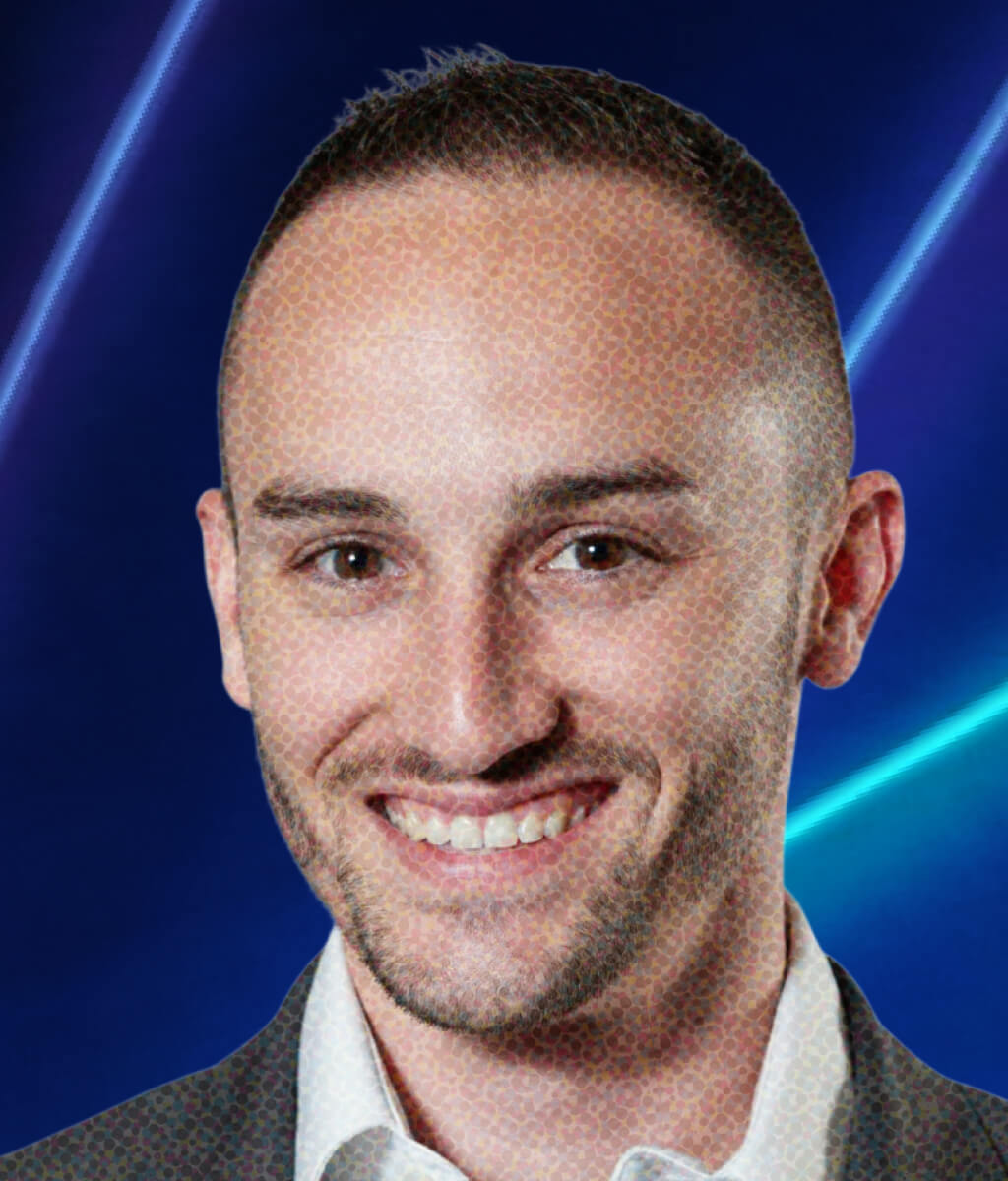
Ryan Vanshur is the VP of GTM Intelligence & AI Solutions at Handle, a construction payments and credit management platform serving Fortune 500 material suppliers and contractors across a $500B+ market.
Before Handle, Ryan spent 10 years as a co-founder at CourseKey, one of the largest trade school management software platforms in the country—before selling to private equity in January 2025.
Over that decade, Ryan held every major go-to-market role: VP of Sales & Marketing, VP of Client Success, and VP of Sales Enablement & RevOps, building each function from scratch and achieving a 99% customer retention rate along the way.
Ryan Vanshur isn't a traditional sales enablement leader. He's a former co-founder who spent a decade building vertical SaaS from scratch—learning sales, customer success, and RevOps the hard way—and now applies that full-funnel operator mindset to what might be the most AI-forward go-to-market function in B2B SaaS.
In this episode, Ryan joins Alex to talk vertical SaaS go-to-market, 90-day ramp programs built around industry immersion, and how he's turning tribal knowledge into a scalable competitive advantage at Handle.
They also discuss:
Enjoy the episode!
Companies
Tools Mentioned
Education & Certifications
Alex Kracov: And then Ryan, like when we talked, I don't know when was it last fall or some shit. I don't know. You struck me as there was a lot of fun AI stuff you're up to. So I would love to talk about that on this call and like vertical SaaS and you're passionate about. So the more tangible examples, random little tidbits you can get into the better. That's not good. Cool. All right. You ready? Hop right in. Cool. All right. I'd love to start today's conversation with CourseKey. So you spend about a decade as a co-founder wearing multiple hats, sales, customer success, and then eventually enablement and ops. Can you kind of give the quick version, like what was CourseKey? What was the problem you were solving? And then how did that journey kind of lead you to the enablement function?
Ryan Vanshur: Yeah, so Korski was cool as kind of your student-led startup story was co-founded in 2014 when I was at San Diego State University and they had a program that's pretty cool today. It's a lot bigger than it was back then called the Zip Launch Pad. I think it's the Zip or Zon innovation platform or something like that now, but it was essentially like a shark tank for student entrepreneurs so if you had an idea you can go pitch and then it was like, you know, a six-month type of student program and I thought, you know, cool, I'll put something like that on my resume and then we'll get a real job or whatever and you know, 10 years later we ended up selling to private equity.
In the early days it was really just like mobile engagement for 500 to 1,000 student lecture halls at big universities. Started out as the head of sales and marketing and took it from pre-revenue to about a million in our first revenue. Back then we weren't necessarily a SaaS company like or enterprise or B2B. I didn't really know any of that stuff. All I knew how to do was knock doors. So I traveled around the country. Luckily instructors posted with their office hours and I could pretty much create a knock list and knew exactly where they were going to be at what time. So went around large universities, banged on their office hour doors, pitched them the product and tried to get them to put it into their syllabus so students would pay for it. Not ARR revenue by any means, very unpredictable, right? There's two buying seasons a year with like massive spikes in revenue and then dead periods.
And so we ended up realizing like we weren't going to compete against the big box publishers and all the established like EdTech giants, you know, not knowing how predictable that revenue model was going to be, getting blocked by like campus bookstores and IT departments that were kicking us out because they had contracts with iClicker and other companies. So eventually we ended up pivoting to what would be called like a blue ocean, right? And that was the career and vocational training segments. So that's your allied health trades, beauty, wellness, you know, welding, HVAC, dental assisting, cosmetology, all that kind of stuff where the blue collar workers — essentially who they considered essential workers during the big COVID era. And so this entire education system, technology had left it behind. There was nobody really innovating in the space.
And so we ended up solving the problem of developing workforce education SaaS. So paper-based compliance tracking, having to be showing reports and documents to regulators — they could literally get shut down for non-compliance. And so that was the position that we put the business in, went out and built specifically for that vertical, and then ended up going from sales to CS as the CS leader once we realized keeping customers can be just as hard as getting them sometimes without a real CS motion. So I had to go build the first Zendesk ticket system, put in the support programs, build out the implementation, onboarding training, renewal, cross-sell expansion, pretty much everything just to tighten up retention and all that stuff.
And because I had been in those different parts of the business and had built them from the ground up, the next logical path for me was the go-to-market enablement and RevOps VP. You know, keeping the systems tied together, doing a lot more of the cross-department collaboration, and so this kind of landed me into my philosophy today around vertical SaaS. You know, it lives or dies on your industry credibility. We couldn't do a generic playbook from a four-year university in a career-based education school. And so that kind of got me passionate about the topic and I realized out of all that, the thing that I loved to do the most was the enablement training, right? Or the enablement side and like seeing other people feed their families as a result of the work that I was doing to put them in a position to do that.
So enablement to me wasn't necessarily training. I realized that systems — you can run all the training that you want, but if you don't actually have like reinforcement systems and content that people use, it's just, you know, a lot of people are doing SKOs right now. And if you don't got a way to reinforce afterwards, it's just really expensive theater. So that was really how we got into the business and what we ended up doing over the course of the 10 years.
Alex Kracov: Yeah, I'm kind of similar. I kind of started my career in sales, cold calling, and realized actually I enjoy supporting sales teams more than actually being a sales person myself. I got a lot more joy with the systems and building kind of the environment for someone to be a good seller as opposed to the actual conversation itself between me and the customer. I'd love to talk more about vertical SaaS because I think that's obviously what you're in right now at Handel. But going back to Korski, when you were talking about the different trades, it meant each trade you had to get really specific on? If you're selling into the beauticians or whoever, it was really different selling to them versus an electrician or whoever it was. Can you talk a little bit about how you developed your philosophy at Korski?
Ryan Vanshur: Yeah, I mean, starting in the 500,000 student lecture halls, our typical software environment was a big massive auditorium and classrooms, you know, stuff like that with your white boards and your projectors. So when we landed our first trade school customer — which was doing HVAC, electrical, automotive, plumbing, welding — there was a massive disconnect between what they thought we did. And even though we thought we were clear about the technology, I remember I showed up with one of my co-founders and the guys were like, well, where are you going to install the hardware? And they're looking around and I'm like, what? Hardware, you know, like what do you think we do? And then I'm looking around and I'm not seeing any classrooms. I'm seeing massive automotive bays with tools and projects and students and groups and instructors everywhere.
Like, you know, I just realized like the way that we sold to nursing was not the way that we were going to be able to sell to the trades. And it wasn't the same way that we were going to sell to the cosmetology schools or emergency services and paramedics. We had to literally learn each of those individual verticals to understand the language, the environments, what the requirements were, what was different between them, what was the same. And that was pretty much how we ended up being able to go out. And I think we started in the trades and the allied health, but eventually Cosmo became one of our best verticals. We partnered with almost all the Paul Mitchell franchises and like the big schools that are out there teaching students to go out and do this. So it took us a while, but over the course of 10 years, we started dominoing each vertical one by one.
Alex Kracov: Super interesting. I've never done anything like that. And then does each seller have a specific vertical or would one seller sell to multiple verticals or do you have specialization as an AE?
Ryan Vanshur: I mean, early on I carried a quota the whole time. I was pretty much the one that went and like trailblazed a new vertical, figured out what worked, you know, had the good sales engineering type conversations. And initially we had a really solid first account executive SaaS hire named Jackson — I think he's still with the company that was merged today as like one of the top sellers — and he was able to do it all right. Eventually towards the tail end when we were sort of sizing down a little bit and really getting focused on a few verticals, we ended up hiring one that came from industry, specialized in the Cosmo school, brought in some relationships. And then the other was more focused on the other two segments, which was nursing and trades. And a lot of times you would see those programs at the same campus. So you'd have to be able to play on both sides of that fence while you're there creating buy-in and doing training and doing the on-site sales conversations.
Alex Kracov: And so after you sold CourseKey to private equity, think it was like early 2025, you joined Handle as director of sales and enablement. I can already start to see the parallels. I mean, Handle's obviously vertical SaaS. Can you talk a little bit about like what is Handle? What attracted you to join the company and obviously specialize in enablement there?
Ryan Vanshur: Yeah, I mean that was the big thing. I'd kind of seen how amazing it is when you find a bit of a blue ocean and there's one company innovating and everybody else is just sort of how it's been, right? Like you sell the competition here, but you're really selling to status quo. It's just they're comfortable with the competition even if they're present, but not that they love them, right? It's just they don't know anything else. And so that was very attractive. If I see somebody still running on fax machines or manual spreadsheets or email inboxes or things like that where we know that there's a lot of complexity and risk around it, it's my favorite thing to try to sell around.
Construction is one of the biggest industries in the world. It's a $13 trillion global industry. And Korsky taught me that these can have massive opportunities if you find the forgotten segment. And in this case, the big Pro-Cores of the world and all the massive folks who exist, they're built for contractors and GCs and other folks. And when I found out Handle was focused on material suppliers and equipment dealers — people at the bottom of the totem pole, but the lifeblood of how construction gets done — they are the last when it comes to getting paid on their massive construction projects. And so for me, I'm like, wow, big blue ocean, forgotten vertical down here that we can focus on. Nobody else is really serving it.
And so that's kind of the foundation for why I started to look, and I kind of had to put together my own ideal business profile when I was looking for the next thing. And I knew it was going to be Series A, Series B. I knew it was going to be in an industry with the forgotten vertical. I knew I needed good leadership and like a good opportunity. And so talking with some of the guys over here it's just like a no-brainer for me to hop on. Started as director of sales enablement, which is where I spent like the last year really diving in, getting to know the industry, the business, and overhauling everything. We'll share a little bit about that later. But that's landed me into a recent promotion where I'm transitioning to the VP of go-to-market intelligence and AI solutions — which is hard to find on anybody's roster, but it's a position that I think is going to become more and more prevalent. It might not be the same title, but you'll see variations of it where folks like me are coming up and using tools like AI and Dock and some of these other things to really enhance what we do.
Alex Kracov: Congrats. That's awesome. When I first met you, I was like, this guy's an AI mad scientist. I was like, that promotion makes a lot of sense. Yeah, sure. I'd love to talk a little bit about, actually on this call, we can get into a little bit — when you join a vertical SaaS company, what's your first priority? What do you start doing at Handle? Is it just educating yourself on the industry? And then maybe are you just focused on teaching the AEs how to sell to a materials person? And like, I know nothing about the world that you're playing in. How do you sort of think about enabling the go-to-market team? And what's the first thing that you do to kind of start that journey?
Ryan Vanshur: Yeah, well I think that the difference that I like is that at larger companies, I would basically inherit systems, right? And so I wasn't necessarily interested in just coming in and like plugging in as like a cog in the wheel. And for me, I think the biggest thing was like, I didn't know anything. I didn't know what a lien right was, right? And so this is like a thing that's a super important concept in our industry, and not coming from the industry, having no idea — my first thing was immerse yourself. Go talk to all of these exceptional people in the organization that serve these different functions and extract the tribal knowledge from their head.
That was something — when Korski was around a long time ago, we had to go remote during COVID, the amount of tribal knowledge that we had within our co-founders, but when we weren't in the office together, it actually became a blocker. There were so many things that people were waiting on. And so my first thing here was like, let me hunt down the founders. Let me hunt down our sales leader who's been here and selling since day one. Let me talk to our product folks. Let me go listen to customer calls and analyze transcripts.
And so my first task, for me, it was really just how do I actually understand what this industry is about? What problem are we actually solving? What personas are we talking to? What do they care about? And I had to do that before I can go tell people how to sell. Like, who am I coming in and saying, here's how you go sell to equipment suppliers or whatever, not knowing anything about their processes, their pains, or what they go through. So that was step one — really just industry immersion, just making sure that I understood what was going on.
The next thing was really looking more into like my first project I was given from the CFO, which was like, he wanted me to do a recertification. They had just doubled head count, I think a month or two before I started, which is not ideal if you're just the only sales leader there, right? And Eric — who is one of the best sales leaders I've ever worked for, he's exceptional — but at scale, the high touch that he did with the first few AEs that really worked, he didn't have the time, the capacity, or he just didn't have enough time in the day to keep doing that. Training was ad hoc, content existed, but it was all over the place.
Another thing I was trying to hunt down and figure out was: do we have a central source of truth for competitive intel, or battle cards, or deal playbooks? And we had spread out tools, pieces, old versions, new versions, but we didn't really have a good way for me to be able to digest with no onboarding. We had no 30/60/90 plans, so I had to create my own. And so once I got done with the industry immersion, I started thinking: if I was an account exec, how would I certify myself? So I pretty much built out almost like an LMS type tool where we put together a quick certification so that we could get a foundation for where all the reps were, old to new, and realigned them around this common foundation that ended up growing into this Handle Academy thing we use now for internal and external training.
Basically I was trying to figure out: if a new rep to me can't ramp in 90 days, I think we're burning cash. And so what I wanted to do is make sure the reps who had just started were getting ramped up and at a point where in 90 days they could be effective. And then the last part was just the tech stack audit, right? Understanding what tools were there. We kept some, we dropped others, filled a bunch of critical gaps, like how we met with the deal rooms and stuff like that. And then just dig in on data quality, Salesforce hygiene, see if we can actually track outbound activity — is it something that's automated or is it manual from the reps and they're missing it all the time? Quite a few levels to work down, but it starts with industry, then it gets into sales methodology, and then I worry about what the tech stack looks like.
Alex Kracov: Can you talk a little on a deeper level about the curriculum that goes into that training? Is it about the industry? Is it about the sales process itself? Is it about building business cases? Is it about what fields to click into Salesforce? As you think about the first 90 days being so critical, how do you think about the curriculum that sets up a sales rep for success specifically in a vertical SaaS that's unique?
Ryan Vanshur: I think this is where my VP of client success hat kind of kicks in when I think about, if my customer was a new sales rep, BDR or AE, right? And to me, my goal is always 90 days to value. And so whether that's value for the rep and feeling confident they're going to hit their numbers, or value for the company knowing that they've got a ramped, productive individual going out and making money — I kind of treated it the same way that I did for myself. The certifications themselves are about 90 days typically.
Phase one is always industry immersion, regardless of where you come from. BDR, account executive, whatever. You're going to learn mechanics, liens, waiver compliance, contractor payment flows, and finance terms. Not a textbook, right? Like scenario-based. So I'm able to use AI to create these case studies and interactive tools that they can go in and speak to our biggest customers and chat with the personas that were involved and ask them questions that are important to them. And so it's less of a, you know, here's everything you need to read and I hope you get it. It's more like: here's an actual situation where a supplier almost lost two million dollars because a competitor missed a lien deadline. Walk me through what happened here.
And then as they get through those industry immersion exercises, we have a library of business case recommendations from all of the deals that either closed or didn't close. And so you're able to go in and actually learn — what are we talking about? What pains are we finding? What ROI stories do we develop? And what do those look like on an account by account basis?
Phase two is usually product fluency, problem-solution mapping — not feature training. When a customer says they're worried about a double payment risk, here's what they mean. Show me in the product exactly where we solve that, and tell me which ROI calculations are related to that specific feature. So really just getting them to connect problems to the goal, the feature or solution that we offer to help them achieve it, and then what the ROI story is going to be at the end of it.
Phase three is usually when we get into actual sales methodology — how we do discovery, the frameworks we use for demos, navigating buying committees, and we'll throw in tech stack training as well. Because usually I'll try to do a good job of working with the ops folks to make sure the methodologies are mapped in and reinforced in our tech stack so that they can't go too far out of the guardrails. The balance is typically 30% product, 40% industry, 30% sales. That's kind of what the first 90 days looks like.
And then the validation at the end is really capstone-based. I don't care if you finish the content. What I care about is: did you do well on the knowledge checks that I have through each phase? Did you complete the practical exercises to validate that this knowledge transfer is actually happening? We do a full capstone, like a mock sales process. We bring in multiple personas for role play, make you do executive discovery, let you practice multi-threading between disco and demo, and we make you deliver a highly impactful demo. And if you can't do that convincingly, you're not certified. But the goal is after 90 days, when you get on a call, the person on the other end has no idea that three months ago you never heard of the word lien rights. And we're seeing that happen with our new BDR team now.
Alex Kracov: That's awesome. I remember at Lattice when we rolled out a new engagement product — my old company — we always had, we did not to the level you were doing around certification, but the end of it was the AEs had to go into a room with like the CEO, the COO, me, the CRO, and then pitch. And it was kind of a scary thing. And then we would all write down like how they did. And you know, if you failed, you had to keep at it until you passed. But like, it was pretty effective at figuring out, okay, why do we have to sell this new product? So I'm a big fan of that capstone thing. But I love the program you've built with the milestone checkpoints along the way. And I think the way you're using AI in there is pretty interesting.
Ryan Vanshur: Yeah, I mean, luckily I come from an EdTech background and I was serving schools that didn't do degrees — they were doing certificates. And you know, it's not the same severity as like when you're going to nursing or you're studying to be an electrician, like you have to actually know what you're doing when you graduate. Otherwise you could kill someone. And I'm not saying it's that serious here, but I treat it the same way where it's like, you could kill an opportunity before it ever becomes a thing if we let you go out there unprepared. And so we spend a lot of time up front making sure that we're meeting every single day. You're plugged in, you're doing your one-on-ones. And so by the time that 90 days comes, it's like holding dogs on a leash and they're just itching to get off. They're not, oh my god, is he going to open the gate and do I have to get on this bull and see what happens? And so it's really about building confidence, building expertise, and making sure people who don't come from industry understand how to navigate it. Because you'll get sussed out quick if you don't know what you're talking about.
Alex Kracov: And what happens after the capstone? People go through all this intense training and then a couple months go by. How do you think about post-training reinforcement? How do you make sure that people have retained all this information, that they're still following the best practices after they've been released out into the wild and are talking to all their customers? How do you think about the post-training part of it?
Ryan Vanshur: I think the big thing is having a reinforcement plan. Like I said earlier, training events are really good theater if you don't actually have a plan for how you're going to follow up and make sure these concepts are sticking. And I think it's SKO season. This is a perfect example where you're coming out, you're investing a lot of time, you're pulling reps out of the field sometimes, and you're trying to drive certain behaviors post-SKO.
So my incentives for me are usually my go-to. Sales contests have been magic in some cases. When we were launching outbound last year, for example, Ferrari AEs — they were not used to picking up the phones and so we had to have some contests specifically around those metrics. When we focused in the second half of the year on really going and getting these really large whale accounts, we had to put some contests around the behaviors that lead to those quality engagements and incentivize a bit more if you book a meeting with a whale versus if you book a meeting with a standard.
Demo frameworks, right? We had contests with a scoring framework where for three months straight we had a demo competition and whoever had the highest score at the end of the three months — there was a first, second, third — we would divvy out some cash for whoever ran the most effective demos. But you have to have a plan. You can't just be like, that looked good, or I'm tired so I'll skim through this one and say it was good. We were using AI to make sure we had a high quality, no bias, no judgment, no tiredness, completely neutral analysis. And everybody agreed: this is the blocking and tackling of doing a good demo. Here's how we're going to score it. AI has the instructions. We're going to let it look at your interactions. And then when we get those scores, you can see over time where you're at.
So just reinforcing those, ensuring all reps, managers, leadership are all aligned on what good actually looks like, and making sure we're using our weekly meetings, adding it to those agendas, keeping a pulse on collective strengths and gaps. We always reserve some meeting segments for adoption or review of certain frameworks or things that we're really trying to tackle for the quarter. And in a remote environment, I think one thing that's significantly underutilized is just celebrating the small wins. I'm notorious in Slack for call-outs and shout-outs — and it might not be a meeting booked or a deal closed, but if I see something where you're modeling behavior that we're trying to get reinforced, I make sure to post it in Slack and call it out and give people their kudos for it.
Data hygiene is like the bane of most RevOps existence. And we had a data hygiene challenge where critical MEDDIC discovery intel wasn't making it to Salesforce. So we partnered with Scratchpad, who's been a great partner for us. And every Monday, we pull up our hygiene report. And we know as a team, 85% hygiene across all deals is the standard. You see your name, you see your scoreboard, you see exactly what's outdated or missing. And so now we're sitting confidently above that 85% threshold. When we started, I think the initial metric was in like the 50–55% range. So a 30 percentage point increase in data hygiene is critical for reporting and some of the other stuff that we want to do downstream. The formula I guess is: visibility plus accountability is going to drive long-term adoption.
Alex Kracov: Let's talk about AI. You mentioned a few different ways you're using it as part of the learning journey, but maybe we can go back to the beginning. I know AI as an industry has been moving very, very fast, but was there one particular workflow or thing you had set up with AI in the early days — and you can define that however you want, whether it was last year or whatever — where you were like, okay, this is something, I've got to really start investing in this technology and figuring out how Handle can use it. Is there anything that sticks out from your memory?
Ryan Vanshur: Well, I mean, for me, realizing I had to catch up on years of sales universe intelligence to be able to effectively run a certification — my initial use cases were pretty hard. They weren't sophisticated. I was literally just using ChatGPT. They let me pay for the enterprise version so I had SOC 2 compliance and I could put some stuff in there without worrying about sharing bad data. And I would just build projects. One project was our pipeline, and I would have one thread for every single customer and I would just keep putting transcripts in there and asking it questions.
And then eventually all the reps started realizing, Ryan can get us really good intelligence because he's doing this AI thing. So then it became a bottleneck, right? And there is this point where I realized like, okay, I can keep doing these MVP ad hoc semi-manual solutions, duct taping together a few different ideas on how to use it. But I started realizing like there's so much intelligence if I can just find a way to gather it. I can give reps the tools and the training artifacts and the interactive resources, but I knew they wouldn't use those in their day to day as account executives.
And so it clicked for me that there's all this tribal intelligence. We have everything we actually do need to be successful. It's just not in one place. It's not in a digestible format and it's not in a learner-friendly way. And coming from an EdTech background and looking at these schools and helping them with these strategies, there was this clear connection that if we can leverage AI intelligence and create an ideal learner experience — multiple modalities, not just a bunch of text, not just a couple videos, not just a few documents, but things that actually looked and felt like curriculum and actual information that they can take, use, and repeat — that was really where I started looking at the intersection of tribal knowledge and AI.
Then all of a sudden MCP servers come out and context layers start getting talked about, and I got a certification from MIT Professional Education on agentic AI and organizational transformation. And that was really where things started to crystallize for me. I saw like, there's a massive opportunity, not just in the sales enablement part, but I was starting to get pulled into client success questions and, hey, this person's not looking good, can we go back to the beginning of time and figure out how we got here? And so it just became clear — all the gaps that you typically have that you can't solve by buying SaaS — they just became these micro problems that I realized I had this genius assistant tool to try to figure out ways to solve. Getting into Claude Code and some of the other things, I've got like 16 total apps that I've developed in the last nine months. Some of them automated, some of them not, but all geared towards end user training and interaction with the go-to-market team.
It was just realizing that the tribal knowledge that exists in any company — and finding a way to make that available for everyone so that I'm not the bottleneck for most folks trying to make good decisions. I remember when I first came on, our CEO on the very first all hands meeting said, if you're not using AI 30 times a day, you're probably not using it enough. And I don't know why I took that as like a direct order. And I realized the efficiency I got. Then I started teaching it to my reps and now, coming out of SKO, everybody's using our AI tools and platforms. And even the non-tech-savvy reps are like, I don't know why I would do anything different.
Alex Kracov: Can you paint a picture of what it looks like to be an AE today at Handle who is using all these different AI systems? Do you set up SalesGPT in ChatGPT and they go talk to it? What are the top workflows that you've set up? You talked about how you had this realization there's so much information trapped in the transcripts and it was in your little instance. But then how did you think about distributing that out? And I'd be curious, maybe through the AE lens — what does my day look like? How do I interact with AI through the systems that you've set up?
Ryan Vanshur: Yeah, so we ended up partnering with a company called Endgame.io and they've got a really amazing team. My biggest problem was I was building all these solutions, but none of them really talked to each other. I was always having to re-provide context and re-upload folders of information. And so when I was going through that certification, I realized we need a super intelligence layer, and it can't be some Google Drive folders. Because there was Slack, there was Zoom, there was our Outreach information, Salesforce, our Dock API and data that's going through there — all these different points of information where I just didn't know how I was going to actually close the gap and build that super intelligence layer.
So I ended up talking with these guys. I think we had a similar connection through some investors. And I realized there are some tools out there where they're already ready to integrate, they're already SOC 2 compliant, they're all ready to add your context data layer. And so once we went through and connected that, everything else started — the efficiency and effectiveness of the work I do just started to skyrocket. That's where the building of the apps came from — being able to hit their MCP server and grab information from all of the sources of data to create an interactive artifact or a customer case study or what we'd call a voice of the customer exercise. That stuff you just couldn't do before.
Like, I couldn't go back and listen to 80 transcripts and look through all the emails and the notes and create a compelling narrative for how this person became a partner, what problems we solved, what they didn't like about the competition, and what was the ROI. And what's happened post-sales since all that's connected as well.
So now if you're an account executive on our team, the BDRs essentially do a lot of the intelligence gathering by using Endgame. We have five prompts to run for every single account. By the end of that prompt, you basically have everything from the stakeholder mapping, pre-qualification scanning to make sure it's a valid account, competitive analysis, ABM strategy — everything that you would need will come out in these five prompts, and then they'll go take those and the AEs will start to plan on how they want to tackle the accounts.
If you're an AE, you wake up in the morning at 9 o'clock on Monday, you go into your email, you have a weekly coaching report. It's a seven-day look back from the previous week on what you were working on and what frameworks we've been trying to drill on — again, reinforcing and having something that looks at their calls and says, hey, this is the four-step framework for making sure that you're priming the pain and getting people excited about the solution you're showing them. You didn't do that in any of them. Or you did step one and step two well, you kind of did step three, you didn't do step four. And so we're teaching these frameworks and saying go back, and every week just coach these reps up.
Then they get the week forward from the same report. It's like, what did I do last week? And then what's on my schedule this week? Who am I talking to? What contacts? What do we know about them? Where did we leave off? Are there any outstanding action items that I need to tackle? Anything that you can learn from research about these people, like trigger events or new acquisitions or mergers or new locations opening up. It does all that. And so what we used to do — or I beg people to do — was spend some time on a Sunday night and plan your week in advance. Well, they get that time back with their families now because they sort of have like a Fitbit for their specific sales process that every Monday morning tells them exactly what they should be doing for that week and whether or not they made an improvement from the week before.
And Friday is very similar. You get like a noon report directly to your email — your weekly recap, all of your activity, AI-suggested context to tell your manager, and then a spot for you to fill in whatever you need before you sign off for the week and send it over.
If you have an opportunity that's open, we have an entire deal risk analysis system that takes like 16 different signals across, you know, why do anything, why do it now, why do it with us, and typical buying signals. And it'll run that analysis every time a new transcript comes in and send a coaching report that tells them exactly where the risk is in their deals and the suggested steps on how to de-risk it. When you don't have to guess why your deal might not make it to the finish line, when you don't have to wonder what should I be doing this week and what information would I need to be the most effective — now all you really have to do is just be a sales professional. Just go out and do the high-value task. You know, 80–85% of your time should be spent on selling, and the other 15% are things that I couldn't automate for you.
That was actually the last data point I was able to get from you guys to really put together like an engagement score on deals based on what they're doing in Dock. And it's like another variable that we now add to our scoring system. Anything's on the table once you've got a good foundation layer, but you have to start there. If you go out and just start building a bunch of random tools and you don't actually solve the context layer issue, you'll do what I did and spend six months duct taping a bunch of Frankenstein solutions together and wondering, is this safe? What did I build? How does it work?
Alex Kracov: Yeah. And do you dump all that data into like a data warehouse, or is Endgame the connector and they have those connectors and it works like that?
Ryan Vanshur: Yeah, so Endgame is basically the data consolidation layer. And then they have the MCP server that I can hit to make sure I can extract — so I don't have to go and create a bunch of Salesforce API keys because Endgame is already connected to Salesforce. I don't have to go connect my Zoom because Endgame is already connected to Zoom. So I usually will build an agent for different apps that always checks Endgame first to make sure data is accurate and updated before it makes updates to dashboards or different tools or things like that.
Alex Kracov: And it sounds like the AEs aren't really prompting themselves. You don't have to teach them how to craft a really good prompt. You're the one who's the master orchestrator creating all these different prompts and workflows, and you serve it up on a little silver platter for the AEs. Is that generally how you think about it?
Ryan Vanshur: I'd say it's like 75%. It's like going bowling when you're a kid and they put bumpers so that you can't go in the gutter. That's basically what I've done, right? I've got custom rules on Endgame where I can make sure it doesn't recommend features that don't exist just because it sees a competitor has one. I can make sure it uses this email framework that we use whenever a rep requests a POV-specific email. We can make sure it doesn't create any ROI stories that it can't actually point to a resource, a transcript, or something that tells us that this is a legitimate data point — and it has to tell you if it's taking a guess so that you can go validate it. Even if it's an intelligent assumption, it's going to let you know.
So having those guardrails and the safety stuff in there, and knowing it's SOC 2 certified, lets me sleep at night versus, hey everybody, go get the $20 GPT licenses and I hope you're not putting sensitive data in there. That's sort of where I focus my time. And then the master prompts are basically set — like a sales handoff prompt that they can run. Those are just there because those are documents that I don't want different variations of quality or response type on. It's like hard-coded markdown language type reports that come out the same way every time, no matter who runs them.
But I do teach reps prompt engineering. I do teach them how to use the actual chat assistant and have conversations with it. And so yeah, they use a lot of our templates, but they also, you know, they don't use ChatGPT anymore. If they do, it's for little side stuff here and there. But if they're talking about a customer or competition or a prospect or anything like that, they're all pretty much using Endgame. It's the generative AI interface that has all the bumpers built into it so that no matter what they do, they'll at least hit a pin.
Alex Kracov: What are you excited about this year when it comes to AI? I mean, you obviously have a really strong foundation that you've built, and this whole industry and the technology is changing really fast. What are some of the projects that you're excited about pursuing that maybe weren't even possible last year, but now with Claude Code getting better and all these different tools really accelerating — is there anything on the roadmap that you're excited about?
Ryan Vanshur: I mean, I can't even tell you how many weird ideas I have. I'll be at the gym and think of four things I can probably build that sound interesting.
I think what I'm excited about this year is not necessarily how much I can build, but realizing how important it is to connect it all, right? Like making sure — for example, I've always wanted a sales management and coaching platform. And there's a couple different massive SaaS companies that have features that do it, but nothing is 100% tailored for what we do, our team, our process methodology, all that kind of stuff. And so one thing I've started working on is, I opened a Lovable account and I'm building out our own dashboard that's connected to Outreach, it's connected to Salesforce, and Endgame is installed on it.
And so now I'm able to build things where it's like, I want to know if the work that we're doing in the first six months is impacting the next six months. And we just ran a report that was really exciting. Our win rates from H1 to H2 last year were up by like nine points. We had, I think, 20 closed logos versus 42 in the second half. Our average deal size went up from like $140K to $240K. Sales cycles dropped down from 12 to 18 months to nine months, even on our largest enterprise deals.
And so now we're seeing that, well, there are these lagging indicators from all the work we did in the process and the training that are suggesting what we're doing is working. When everything's going up and to the right, the reps get really excited about that. You know, you get into the first quarter where some people are taking a deep breath from the last year, and we've got reps who just can't wait to get out and get after it.
And so what I'm excited about is what data are we going to start seeing from the seeds that we planted months ago. How is that going to present itself and where are we going to start seeing the opportunities to continue investing in these specific areas.
I think our business case recommendation generation system is probably one of the things that was the highest-leverage deal activity we can do. We've created a system where you'll never find one business case recommendation the same as another. There's no duplicate in our library at all. Every single one is context-specific, tailored for that account — it pulls their quotes, their information, their situation. And things like that to me, we're closing million-dollar deals in half the time because we're making it easy to enable our champions to go and sell internally. And I think, what else could we do? So my excitement is for the results I'm seeing for the reps, and just trying to figure out what's the next thing I can do to help make sure that these guys are crushing it.
Alex Kracov: It sounds like you've built so much amazing stuff internally. And there's this whole narrative — I don't know how much you're on Twitter/X — of the death of SaaS. But it seems like what you're describing, your company is way more about building custom solutions that are really tailored to your vertical as opposed to buying additional software that maybe is more generic. Do you buy that argument that SaaS is slowly dying and more and more companies are going to be just building their own technology that fits their unique needs? Is that kind of where you see the world heading?
Ryan Vanshur: Honestly, I think a lot of those posts are just the trend that LinkedIn's rewarding, and so everybody has to have a "this is dying" post every now and then.
I think if you're a horizontal SaaS company that doesn't have a really good success program and great retention and already has a foothold, it's going to be a bit more challenging to do business over the next five to ten years. But it doesn't mean that all SaaS is going to die. What it does mean is that it's more of the birth of micro SaaS — that's kind of the way that I look at it. And it's not SaaS that comes from companies that are chasing ARR numbers to raise funds. It's micro SaaS coming internally from organizations that are developing point solutions to close gaps that horizontal SaaS just can't do.
Like if you can use Salesforce for a school or a manufacturing facility or medical supplies or equipment sales or retail wholesale — if you can use it for anything — you need a bit of workarounds and you've got to stretch it to make it fit, or you have to bend your business to make it work. What I'm seeing is there's going to be foundational tech stack pieces that you're going to need, but the gaps are not going to be things that people should be going out and looking to fill with another tech stack solution. In some cases, I keep seeing this thing around like SaaS companies eventually are just going to be API companies. That's all you're really going to need from them. That trend seems to be showing up more often in my journey where I'm more interested in APIs and MCP servers than I am in what functionality do you offer across the board.
I'm sure RevOps folks have that pain of paying for a lot of technology and poor adoption — shelf wear, unused features. All that stuff is relevant. If there's a specific solution that you want to solve — like we had a bunch of RFPs come in last quarter over the last six months. We didn't really see a lot of them. Realized real quickly that these take a lot of resources. They're hard to win. They're worth it because they're big, but we've got to pull in the CTO, we've got to talk to our finance head, we've got to go over here and talk to the security guys, and then we've got to get the product marketing people to help us. It was just insane.
And so I was like, well, what if I can go back and look at all the RFPs we've ever done, analyze all the documents, all of them, and then create us a database with an RFP helper — like an AI assistant that knows every RFP question we've ever had, what the appropriate answer has been, and who you would talk to as a knowledge expert if you needed additional information. And you can type in the AI chat and say, hey, what's our security compliance policy? And it'll give you the right answer back. So now if we get an RFP, all the questions are there. We have a whole library of questions that we've seen before and they're all approved.
Same thing with our ROI calculators. I remember a few years ago at a company, they were looking at buying an ROI calculator because they had a little sheet that everybody had but nobody used. And I built us an ROI calculator. I built us a pricing and packaging calculator. I built us a competitive analysis and strategy builder where you can talk to it — it tells you what deals we recently won, what was in our pipeline, why they came over, what was that winning zone differentiation, what personas were really fed up. And you can go talk to it and tell it who you're up against — give me some social proof, give me our most recent case studies — and it knows it all. My reps play with the tools. They engage with the tools. They don't just look at the tools. And I think that's the big difference.
There's going to be a lot less opportunity for horizontal SaaS, but it doesn't mean that they're going to die.
Alex Kracov: And do you think every company now needs their own Ryan? Like I think of you as this almost lone wolf — a collaborative lone wolf — who knows all the different tools, sets it all up, distributes it across the company. You're, I forgot your new title, but chief AI officer — I'll call you that. Like you're in charge of AI at the company. Is that the right structure that most companies should think about in the future — have one person who's going to go set up AI for all of go-to-market? Or does it need to be more decentralized where marketing should do AI stuff and enablement and so on and so forth? What would you recommend for companies who want to invest in the things that you're talking about?
Ryan Vanshur: I mean, you have to find the right person, right? I think one of the things that our founders love about me is I'm a founder myself, right? Like I came from a startup that I grew over 10 years. I was zero to one on every go-to-market motion that we had to develop and scale up. And you almost — if you can find somebody that's a bit of an entrepreneur to come into your organization, that is not going to wait for somebody to build a list or give them a list of problems to solve but go out and hunt them down and listen for them, and come back with the problem and four potential ways that we can solve it — you need people like that. But if you have somebody like that who's also really good with AI, you're talking about a whole different level. I think some of my reps think I am AI. They're like, how do you do so much?
As long as you do good discovery and as long as you run the sales process well, I know how to tap into that and serve you as best I can. And I know how to make sure client success benefits. I know how to create the feedback loop for product. So going out and having everybody trailblaze their own AI path isn't recommended. Data governance, making sure your Salesforce architecture is sound — that stuff does not interest me. So I look at it as like, you need the people that do the systems of record, but more companies are going to start to need the people that do the systems of intelligence, right? The AI automation, the dashboards, the coaching tools, enablement content.
So it's really like my counterpart, Koi — he makes the data in those systems of record bulletproof and consistent. I make the data in those systems actionable. That's the difference there. And when you're talking about go-to-market, you want clean feedback loops from marketing, through sales, through product, and even through the engineering side. And so that's what I think folks — if you're in this role and you're kind of stuck in the sales program and all you can influence is sales, fine. But also think about how these systems will connect across the entire customer journey. That's the benefit I have of wearing all those hats from marketing, sales, CS, RevOps, go-to-market.
I see everything at the 10,000-foot view. I see it as an integrated system. I don't see it as siloed departments. I tell people, client success is a philosophy of the company. It's not a department. And every single department should have some sort of key results or objectives around making customers wildly successful. For the sales team, that just means being better at your sales process, capturing better information, making sure you hand off good intelligence so that they can do their job on the other side.
But that's just something where it's new, right? It's kind of like what go-to-market and this kind of stuff was like five, six years ago when those titles started popping up. But I think it's just a natural evolution of the technology that companies have now — if they're willing to find somebody who will go out and invest in it.
Alex Kracov: I'm fired up after talking to you. I think there's so many good nuggets in this conversation of just different ideas on how more companies should be using AI across their go-to-market. Thank you so much for the time today, Ryan. I really appreciate it.
Ryan Vanshur: Absolutely.


